
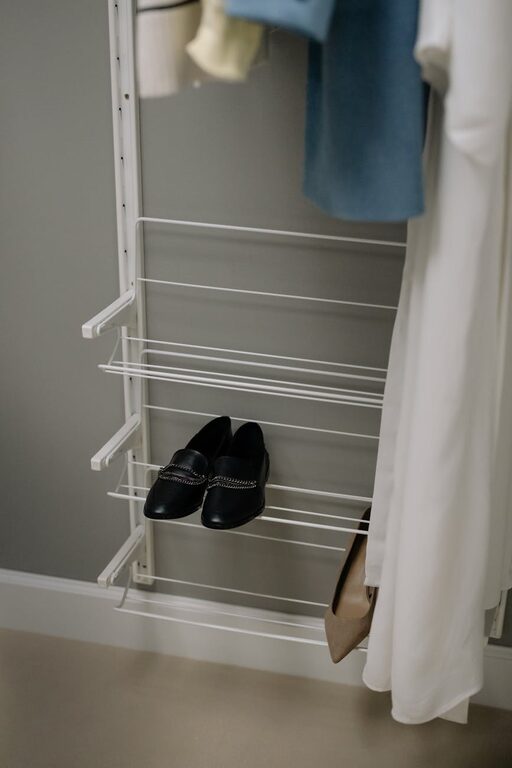
How to Store Seasonal Clothes Efficiently and Save Space
Storing seasonal clothes efficiently is a great way to save space, keep your wardrobe organized, and prolong the life of your garments. Whether you’re packing away bulky winter coats or summer dresses, having a clear system makes transitioning between seasons smoother and less stressful. In this post, we’ll walk you through practical, easy-to-follow steps to store your seasonal clothes effectively.
Why Proper Storage Matters
Storing clothes properly helps avoid damage such as wrinkles, fading, and pest issues. It also frees up closet space and makes it easier to find the items you need when the season changes. Good storage methods can even extend the lifespan of your clothing by protecting delicate fabrics from dust and moisture.
—
Step 1: Sort and Declutter Your Clothes
Before storing, look through your seasonal items and make some decisions:
– Try on your clothes to see what still fits and what you actually wear.
– Set aside items to donate or recycle that you no longer want.
– Group similar items together like sweaters, pants, and jackets to streamline your storage.
Decluttering reduces clutter and ensures you only store pieces that you will use next season.
—
Step 2: Clean Everything Thoroughly
Always clean clothes before storing them:
– Wash or dry clean items according to their care labels.
– Make sure clothes are completely dry to prevent mold and mildew.
– Spot clean stains that could set over time.
Cleaning your clothes keeps them fresh and helps avoid pests attracted to dirt or food residues.
—
Step 3: Choose the Right Storage Containers
The type of container you use plays a big role in protecting your clothes:
– Plastic bins with airtight lids are excellent for preventing moisture and bugs.
– Fabric garment bags work well for hanging delicate items like dresses.
– Vacuum-seal bags can save space by compressing bulky items like comforters or bulky sweaters.
– Avoid using cardboard boxes as they can attract moisture and pests.
Label your containers clearly to make it easy to find what you need later.
—
Step 4: Use Proper Folding and Packing Techniques
Folding clothes carefully prevents wrinkles and damage:
– Fold sweaters and knitwear flat to avoid stretching.
– Use acid-free tissue paper between delicate items to reduce friction.
– Roll t-shirts and casual clothes to save space.
– Avoid hanging heavy items long-term as this may distort their shape.
If you’re storing boots or shoes, stuff them with tissue paper to help retain their shape.
—
Step 5: Optimize Your Storage Space
Smart use of your available space makes seasonal transitions easier:
– Store containers in cool, dry places like closets, under the bed, or in storage bins in the garage (if insulated).
– Use double hanging rods in closets to separate current and off-season clothes.
– Place heavier items at the bottom of storage bins and lighter on top to prevent crushing.
– Consider clear bins so you can see your clothes without opening every container.
—
Step 6: Protect Your Clothes From Pests and Moisture
Pests and moisture can ruin your clothes if you’re not careful:
– Use natural repellents like cedar chips or lavender sachets inside boxes.
– Avoid mothballs as they have strong odors and chemicals.
– Place silica gel packets in containers to absorb moisture.
– Check stored clothes periodically throughout the season for any signs of damage.
—
Step 7: Make Seasonal Rotation Easy
To simplify changing over your wardrobe each season:
– Keep off-season clothes in labeled, easy-to-reach containers.
– Consider a capsule wardrobe, limiting the number of items per season.
– Use a checklist to keep track of what you have stored.
– When unpacking, refresh the clothes by airing them out before wearing.
—
Bonus Tips for Specific Clothing Types
Wool and Knitwear
– Fold carefully with tissue paper.
– Store in breathable cotton bags to avoid moisture issues.
Leather and Suede
– Clean and condition before storing.
– Store in cloth bags to allow airflow, away from direct sunlight.
Delicate Fabrics
– Wrap in acid-free tissue paper.
– Store flat or on padded hangers.
—
Final Thoughts
Efficient storage of seasonal clothes keeps your wardrobe neat, extends your clothes’ life, and helps you stay organized all year long. With these simple steps—sorting, cleaning, packing, and protecting—you’ll be ready for every season without the hassle. Take some time now to set up your system, and enjoy a clutter-free closet.
—
By following these practical tips, you’ll make the most of your closet space and keep your clothes in great condition. Happy organizing!
