
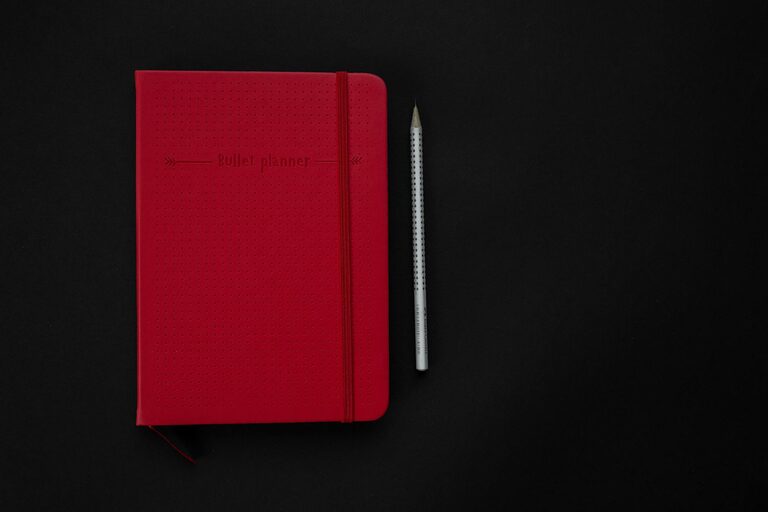
Beginner Guide to Bullet Journaling: Organize Your Life Creatively
What Is Bullet Journaling?
Bullet journaling is a flexible, customizable system that combines planning, to-do lists, habit tracking, and creative expression—all in one notebook. Developed by Ryder Carroll, this method helps you organize your daily tasks and long-term goals while allowing space for creativity and reflection.
Unlike traditional planners, bullet journals don’t come pre-formatted. Instead, you build your journal as you go, tailoring it to fit your lifestyle and needs.
Why Start a Bullet Journal?
– Flexibility: Design pages that work for you—daily logs, monthly calendars, habit trackers, mood logs, or anything else.
– Creativity: Use colors, doodles, lettering, or stickers to make your journal enjoyable and inspiring.
– Mindfulness: Writing tasks and goals by hand can increase focus and awareness.
– Productivity: Keep all important information in one place, reduce mental clutter, and prioritize effectively.
What You Need to Get Started
Basic Supplies
– Notebook: A blank or dotted notebook is ideal since it offers freedom without distractions. Popular options include Leuchtturm1917 or simple dot-grid journals.
– Pen: A good pen that you enjoy writing with is essential. Some prefer black fineliners; others like colorful pens.
– Ruler: Useful for drawing lines, calendars, or grids neatly.
– Optional: Colored markers, stickers, washi tape for decoration.
No Fancy Supplies Required
You don’t need expensive supplies to start. A plain notebook and any pen will do. The goal is to keep things simple and personal.
Basic Components of a Bullet Journal
1. Index
Your index helps you quickly find pages. At the beginning of your journal, leave 2–4 pages for the index. Number your pages as you add content and list their titles here.
2. Future Log
The future log is a year-at-a-glance calendar for important dates and goals in upcoming months.
– Divide two pages into sections representing months.
– Jot down events, appointments, or deadlines for each month.
3. Monthly Log
Your monthly log breaks down tasks and appointments for the current month.
– Create a calendar overview or list the days with space for key events.
– Include a task list for monthly goals.
4. Daily Log
Daily logs are where you list your day-to-day tasks, appointments, and notes.
– Use bullets to mark tasks:
– Tasks: •
– Events: ○
– Notes: –
– Mark tasks as completed (×), migrated (>), or scheduled (<).
5. Collections
Collections are themed pages or lists—anything from books to read, habit trackers, meal plans, or gratitude logs.
How to Set Up Your First Bullet Journal
Step 1: Number Your Pages
Number each page to keep track of your journal contents and organize the index.
Step 2: Create an Index
Reserve the first 2–4 pages for your index where you’ll record page numbers with labels.
Step 3: Set Up a Future Log
Divide your next two pages into four or six sections to represent future months.
Step 4: Monthly Log
Set up your current month with a calendar layout and a task list.
Step 5: Daily Logs
Start each day with a new section and list your appointments, tasks, and notes.
Step 6: Add Collections as Needed
Add habit trackers, goal lists, or inspirational quotes throughout your journal.
Tips for Maintaining Your Bullet Journal
– Keep it simple: Don’t feel pressured to create elaborate designs. Focus on functionality.
– Be consistent: Spend a few minutes each day updating your logs.
– Review regularly: Migrate unfinished tasks to the next day or month.
– Customize: Adapt your journal as your needs evolve.
– Experiment: Try different layouts and styles until you find what you enjoy.
Common Bullet Journal Symbols
| Symbol | Meaning |
|——–|———————–|
| • | Task |
| × | Completed task |
| > | Task migrated forward |
| < | Scheduled task |
| ○ | Event |
| – | Note |
Benefits of Bullet Journaling
– Improves organization and time management.
– Encourages goal setting and tracking.
– Enhances creativity and personal expression.
– Helps reduce stress by keeping information in one place.
Final Thoughts
Starting a bullet journal is a rewarding way to stay organized while expressing your creativity. Remember, it’s your journal—there’s no right or wrong way to do it. Start small, be patient, and watch as your productivity and mindfulness grow over time.
Give it a try and enjoy the journey of customizing a planner that’s truly yours!
